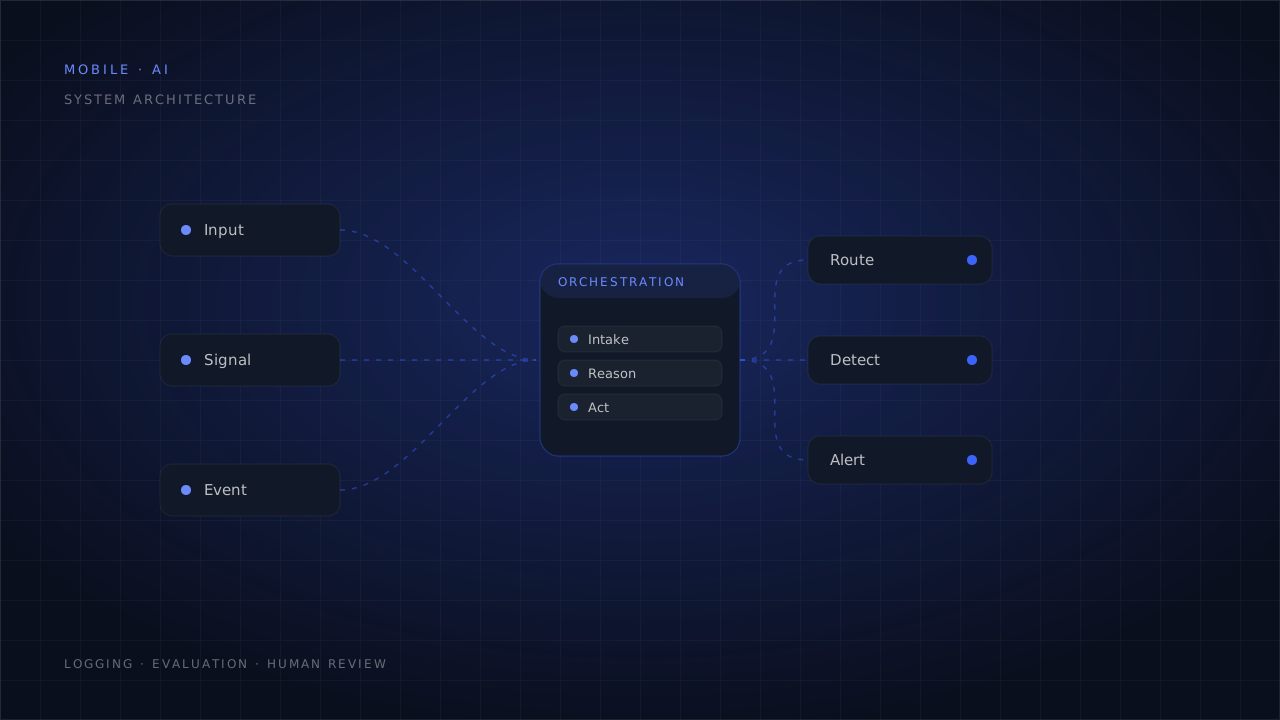
Mobile / Logistics
RouteLens Driver App
A driver application for route execution, exception handling and proof of delivery, with live progress streaming to dispatch.
- React Native
- TypeScript
- Node.js
- PostgreSQL
- +1
View Case Study
Mobile / Custom Software
Offline-First Field Service Application
An iOS and Android application for field crews working without connectivity, with conflict-safe sync and photographic proof of work.
Overview
Field crews were completing jobs on paper because every previous app assumed a connection. FieldOps treats offline as the normal case: the entire day's work is available on the device, evidence is captured locally, and synchronisation resolves conflicts deterministically when signal returns. Dispatch sees progress as it syncs rather than at the end of the day.
Challenge
Crews worked in basements, rural sites and industrial buildings with no reliable signal. Two previous applications had been rejected by the field team.
Connectivity was absent or intermittent for most of a typical working day.
Earlier apps lost work when a submission failed, so crews reverted to paper.
Paper job sheets were re-keyed in the office, adding a day of lag and transcription errors.
Proof of work was inconsistent, which caused billing disputes.
Solution
We designed for the disconnected case first and treated connectivity as an optimisation, not a requirement.
Made the device the source of truth for an in-progress job, with a local database as primary storage.
Defined explicit per-field conflict resolution rules rather than last-write-wins.
Queued evidence uploads with resumable transfer and background retry.
Delivered form definitions from the server so new job types ship without an app store review.
Ran a two-week pilot with the crews who had rejected earlier apps, and changed the interaction model based on it.
Capabilities
What FieldOps Mobile does in day-to-day use.
The complete day's schedule, forms and reference material available with no connection.
Deterministic resolution rules per field, so simultaneous edits never silently lose data.
Photos, signatures and readings captured locally with location and timestamp metadata.
Form definitions delivered from the server so new job types need no app release.
Cached mapping and ordering so navigation works in areas with no data coverage.
Job status streams to the office as it syncs, with clear indication of stale data.
Stack
The tools this system runs on, grouped by the role they play.
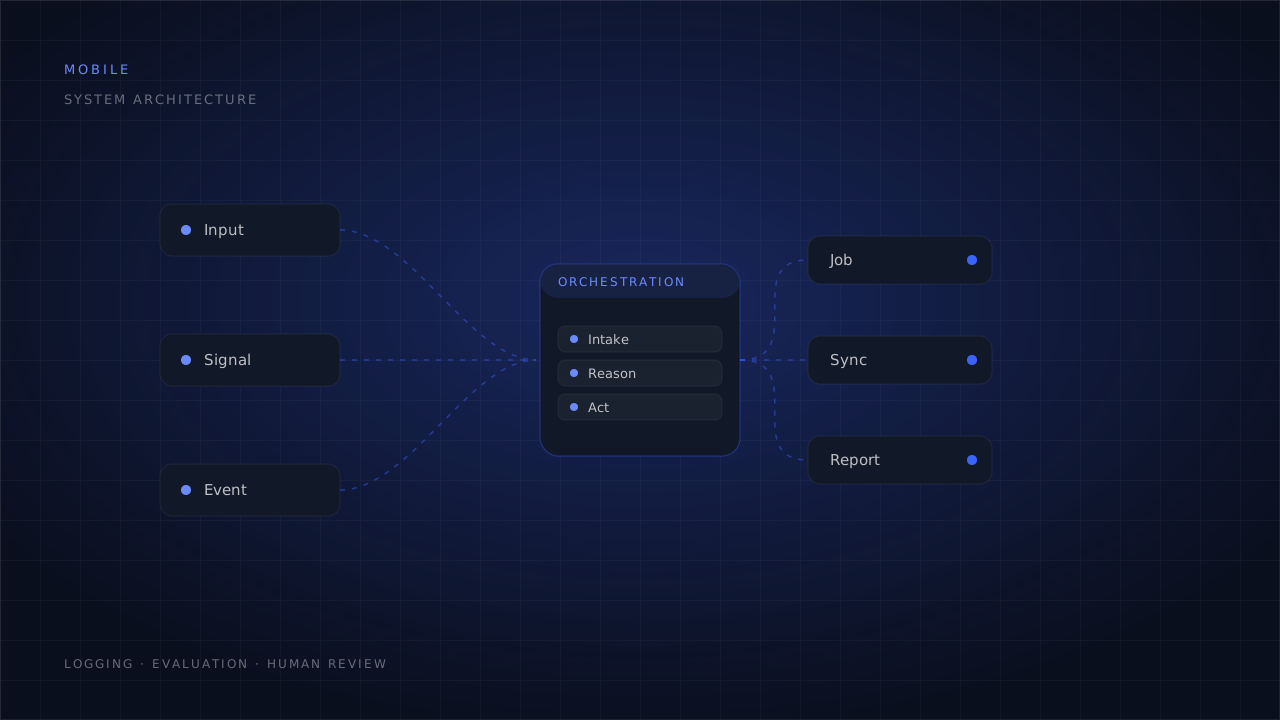
Architecture
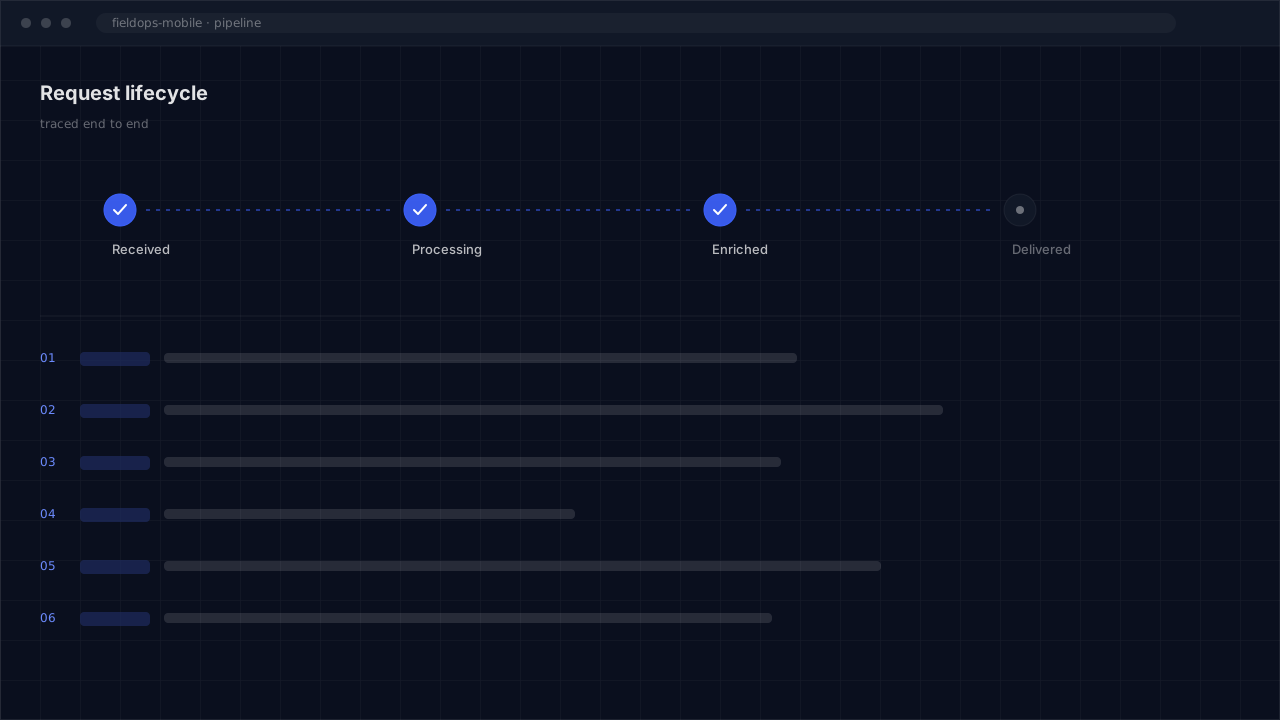
The path a single request takes through the system, end to end.
The day's jobs are assigned and pushed to the device.
Jobs, forms and map tiles cached locally before the crew leaves.
Forms, photos and signatures captured to the local database.
Queued changes upload with per-field conflict resolution.
Completed jobs and evidence flow into invoicing automatically.
Outcome
What changed for the business after launch.
100%
Jobs completed in-app
Paper job sheets eliminated across the pilot region.
1 day → live
Dispatch visibility lag
Status arrives as it syncs rather than after re-keying.
0
Jobs lost to sync failure
Measured across the first six months of operation.
91%
Crew adoption in month one
After two previous applications had been abandoned.
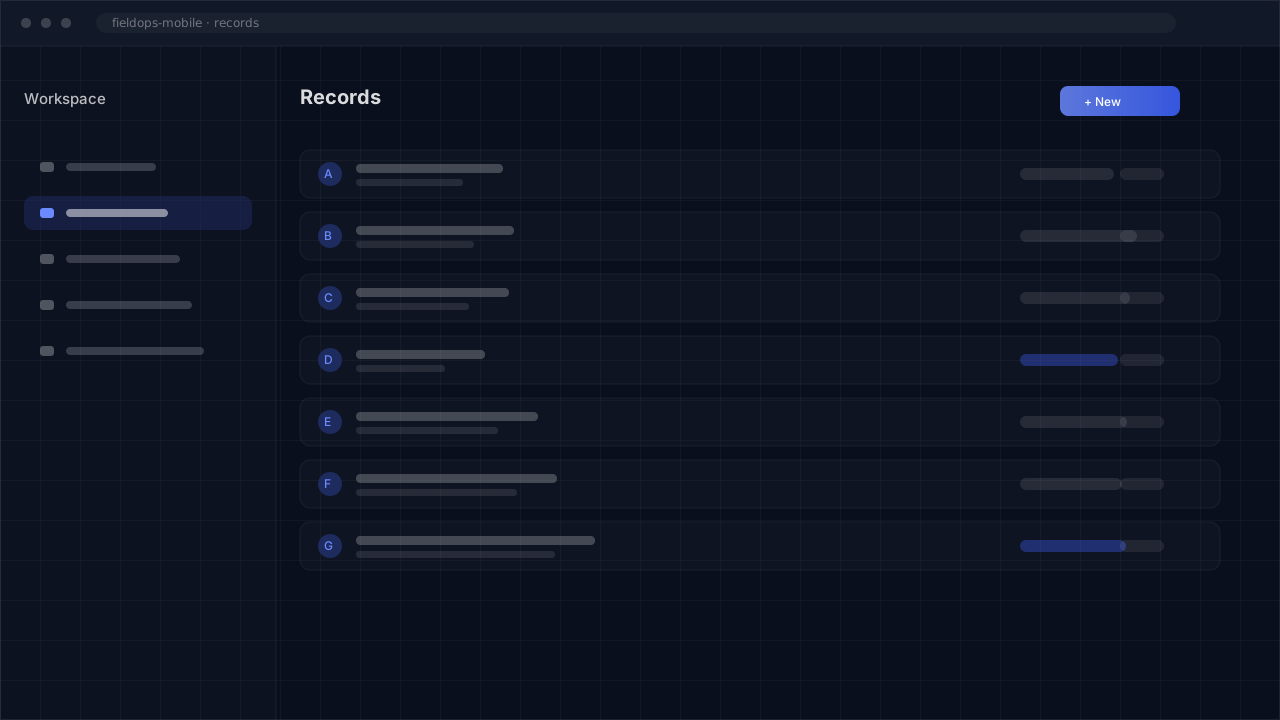
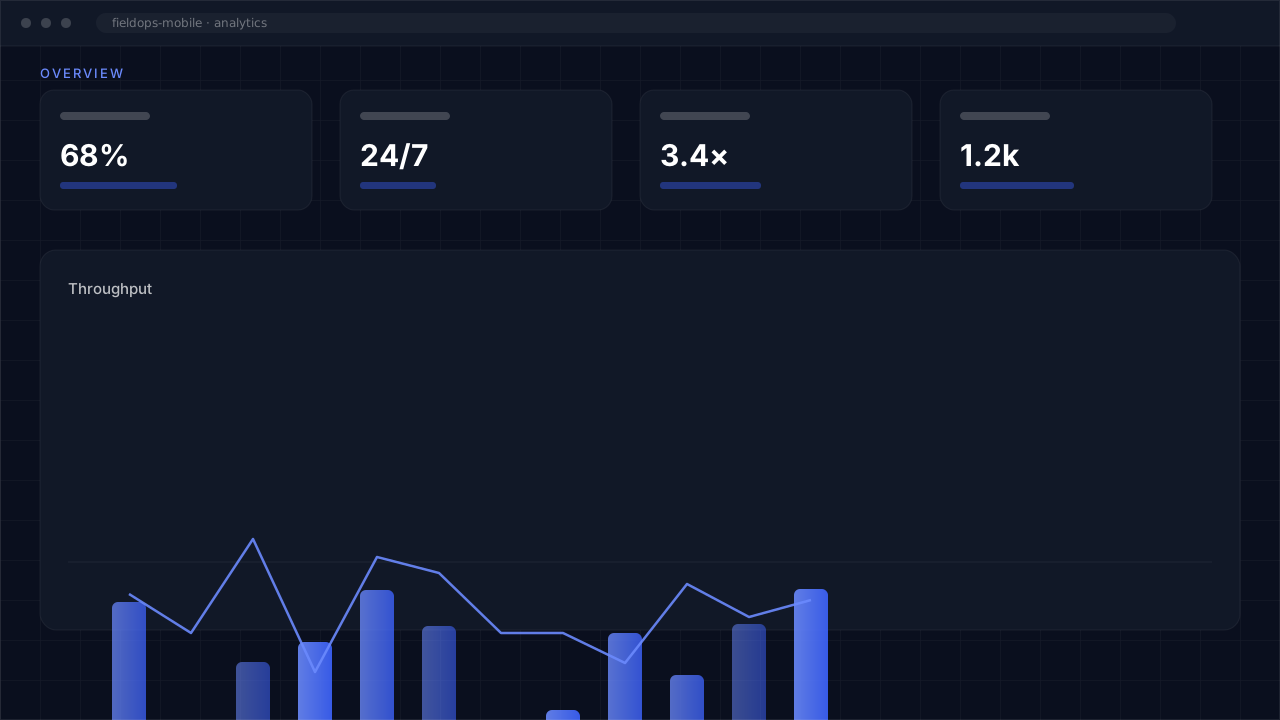
Interface
Screens from the delivered system.
More work
Other systems built on similar foundations.
Mobile / Logistics
A driver application for route execution, exception handling and proof of delivery, with live progress streaming to dispatch.
View Case Study
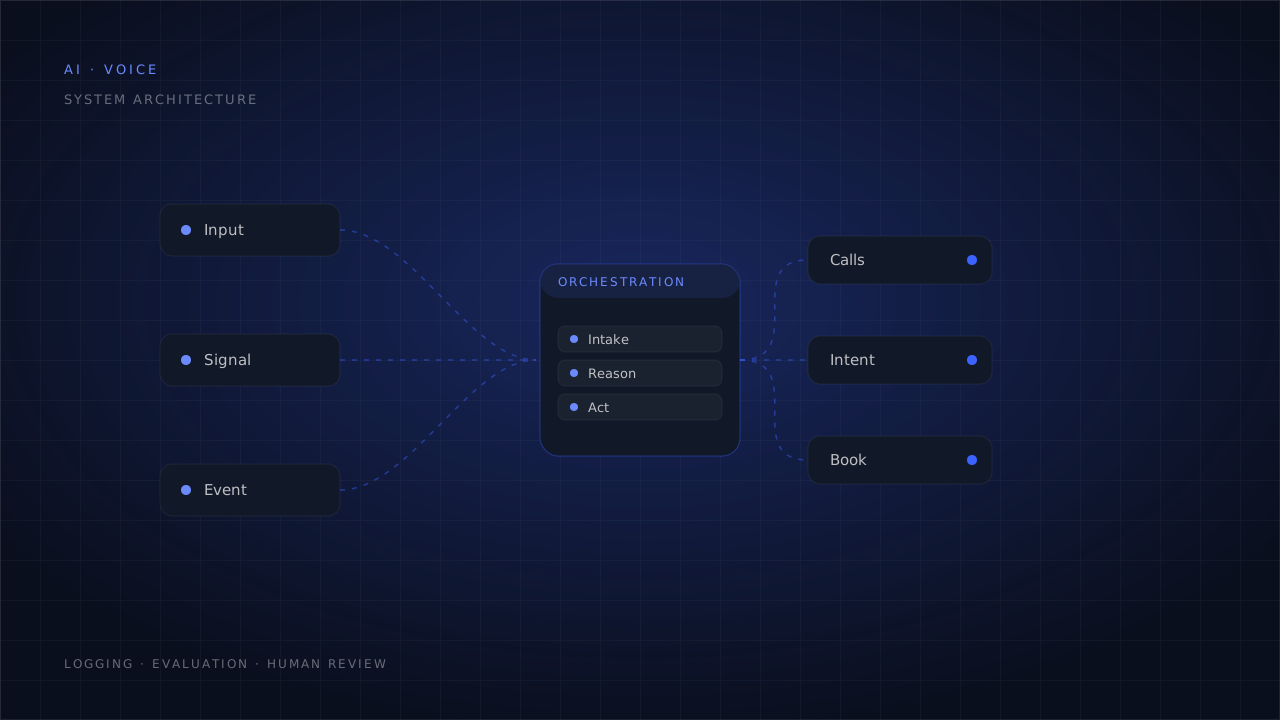
AI / Voice / Multi-Agent
An intelligent multi-agent voice platform designed to automate business conversations and workflows.
View Case Study
Next step
Tell us what your business needs to automate and we'll map out a practical build.
hello@devrox.comWe reply to every enquiry within one business day.